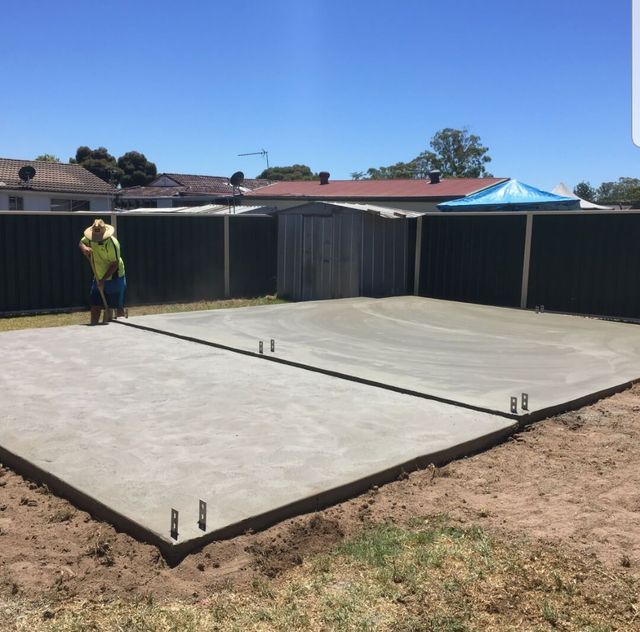
Concrete paths are an essential component in modern landscaping and urban design, offering a durable and aesthetic solution for both residential and commercial properties. A professionally installed concrete path not only enhances the visual appeal of a space but also adds value and functionality. Understanding the intricacies involved in the installation process is crucial for achieving a high-quality result. This article delves into the significance of hiring professional concrete path installation experts, the benefits of concrete paths, and the factors to consider when planning a concrete path project.
The Importance of Professional Installation
Engaging professional experts for concrete path installation ensures that the project is executed with precision and expertise. Professionals bring a wealth of experience and specialized skills that are vital for:
- Ensuring proper ground preparation and base construction.
- Accurate mixing and pouring of concrete to achieve the desired strength and finish.
- Utilizing appropriate tools and techniques for smoothing and leveling.
- Implementing effective drainage solutions to prevent water pooling and damage.
- Adhering to local building codes and regulations.
Professional installation minimizes the likelihood of errors and potential issues such as cracking, uneven surfaces, and drainage problems. Explore further insights here on the importance of expert installation.
Benefits of Concrete Paths
Concrete paths offer numerous advantages that make them a preferred choice for various applications:
- Durability: Concrete is a robust material that withstands heavy foot traffic, weather conditions, and wear over time.
- Low Maintenance: Once installed, concrete paths require minimal upkeep, reducing long-term maintenance costs.
- Versatility: Concrete can be customized with different finishes, colors, and patterns to complement any landscape design.
- Eco-Friendly: Concrete is a sustainable choice, often made with recycled materials and contributing to energy efficiency.
Read more about this topic to understand how concrete paths can benefit your property.
Planning a Concrete Path Project
Key Considerations
Planning a concrete path involves several key considerations to ensure a successful outcome:
- Design: Consider the path’s layout, width, and integration with existing landscaping.
- Budget: Establish a clear budget that includes materials, labor, and any additional features like lighting or edging.
- Timeline: Plan the project timeline to accommodate for curing time and potential weather-related delays.
- Permits: Check local regulations to determine if any permits are required for installation.
Proper planning helps avoid unexpected challenges and ensures the project aligns with your vision. Find additional information here about planning considerations for concrete paths.
Choosing the Right Materials
Selecting the appropriate materials is crucial for the longevity and appearance of the concrete path. Considerations include:
- Concrete Type: Opt for a concrete mix that provides the required strength and finish.
- Reinforcement: Use reinforcement materials like rebar or mesh for added durability.
- Finishing Techniques: Choose from various finishing options like stamping, staining, or polishing to achieve the desired look.
Learn more in this detailed guide about selecting materials for your concrete path project.
Conclusion
A well-installed concrete path is an investment in both the functionality and aesthetic appeal of a property. By engaging professional concrete path installation experts, property owners can ensure a high-quality result that meets their specific needs and preferences. Proper planning, material selection, and adherence to best practices are key to the successful completion of a concrete path project. For those considering a new concrete path, explore further insights here to guide your decision-making process.