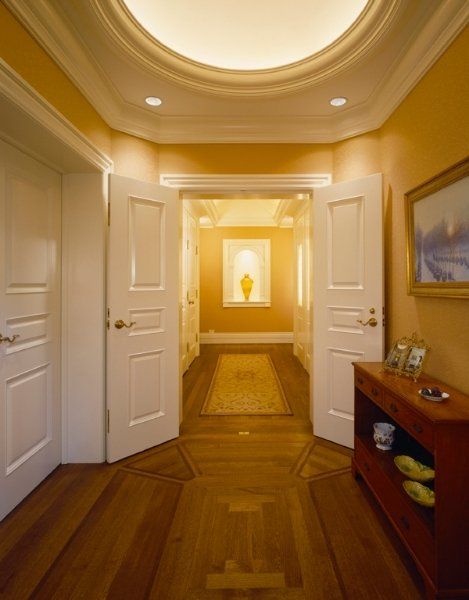
In the world of custom home design, architectural trim and molding serve as the finishing touches that define a space’s character and elegance. These elements, often overlooked, are essential in enhancing the aesthetic appeal and architectural integrity of a home. A thoughtful approach to trim and molding can transform ordinary spaces into extraordinary ones, creating a seamless blend of function and artistry. Whether it’s crown molding, baseboards, or decorative trims, each component has a role in the overall design narrative of a custom home.
Understanding the Purpose of Trim and Molding
Trim and molding are more than just decorative elements; they serve multiple purposes in a custom home:
- Defining Space: Trim and molding help delineate separate areas within a home, providing a visual boundary that enhances the spatial definition.
- Highlighting Architectural Features: These elements can accentuate doorways, windows, and ceilings, drawing attention to the home’s architectural highlights.
- Concealing Imperfections: Trim and molding can effectively hide gaps or imperfections where different building materials meet, offering a polished look.
- Enhancing Aesthetics: With a variety of styles and materials available, trims and moldings can complement any interior design theme, from traditional to modern.
Key Design Tips for Trim and Molding
Choose the Right Material
The choice of material can significantly impact the durability and appearance of trim and molding. Options such as wood, plaster, and MDF each have distinct characteristics:
- Wood: Offers a classic and warm appearance, ideal for traditional or rustic home designs.
- Plaster: Provides a more ornate and historic look, suitable for luxury homes and historical renovations.
- MDF: A cost-effective option that can be painted to mimic wood, perfect for modern and minimalist designs.
For expert guidance on selecting materials, consider consulting a custom home detailing architect.
Scale and Proportion
The size of trim and molding should be proportional to the room and its features:
- Ceiling Height: Higher ceilings can accommodate larger moldings, while lower ceilings require more subtle designs.
- Room Size: In smaller rooms, oversized trim can overwhelm the space, whereas larger rooms can benefit from more substantial designs.
For a cohesive look, it is crucial to maintain consistent proportions throughout the home’s architectural elements. A luxury home detailing architect can offer valuable insights into achieving balance and harmony.
Integrating Modern Trends
While traditional trim and molding styles remain popular, modern trends are increasingly influencing custom home design:
Minimalist Molding
Clean lines and simple profiles are favored in contemporary designs, emphasizing function over ornamentation. Minimalist molding serves to enhance the architecture without overwhelming it, ideal for those who prefer a streamlined look.
Mixing Materials
Combining different materials and finishes can add depth and interest to a space. For instance, pairing wood with metal or incorporating textured moldings can create a unique visual effect. These approaches are particularly effective in residential architectural details.
Custom Designs
Custom molding designs tailored to the specific style of a home can make a significant impact. Whether it”?s a unique pattern or a bespoke profile, custom designs can elevate the overall aesthetic. Consult with a specialist in custom architectural details to explore bespoke options.
Conclusion
Architectural trim and molding are crucial elements in the design of custom homes, offering both aesthetic and functional benefits. By carefully selecting materials, considering scale and proportion, and embracing modern trends, homeowners can create spaces that are both beautiful and timeless. For those seeking to enhance their home’s appeal, collaborating with experts in interior architectural detailing can provide the expertise needed to achieve a truly custom design. Whether the aim is to highlight architectural features or to create a polished finish, the right trim and molding choices are fundamental to the success of any custom home project.