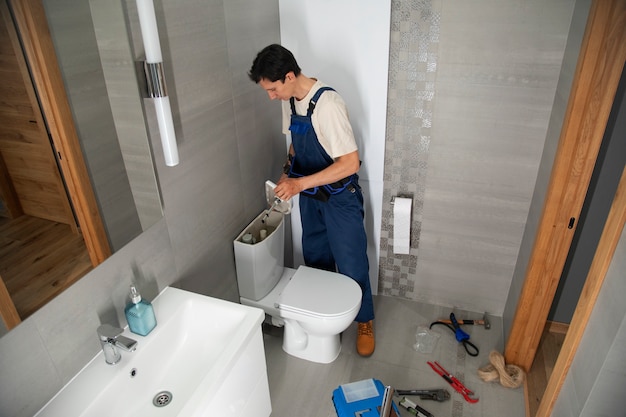
Embarking on a bathroom renovation project can be both exciting and daunting, especially when it comes to selecting and installing the right floor tiles. The cost of bathroom floor tile installation is a significant factor in planning your renovation budget. Understanding what influences these costs and how to manage them effectively can streamline your project and ensure that it aligns with your financial expectations. This guide aims to demystify the various aspects of bathroom floor tile installation costs, providing insights into the factors affecting pricing, potential savings, and strategic planning for your remodeling project.
Factors Influencing Bathroom Floor Tile Installation Cost
Various elements affect the overall cost of installing bathroom floor tiles. Recognizing these factors can help in making informed decisions:
- Type of Tile: The material of the tile significantly influences costs. Options range from affordable ceramic tiles to more luxurious natural stone or porcelain tiles.
- Size and Layout of the Bathroom: Larger bathrooms require more materials and labor, thereby increasing costs. Complex layouts may also necessitate additional cutting and fitting.
- Labor Costs: Professional installation costs can vary greatly depending on geographic location and the complexity of the job. Discover expert strategies here.
- Preparation and Demolition: Removing old flooring and preparing the surface for new tiles can add to the cost, especially if the existing surface requires significant work.
- Additional Materials: Grout, sealant, and underlayment are essential materials that contribute to the total expenditure.
Cost-Saving Tips for Bathroom Tile Installation
While bathroom tile installation can be a costly endeavor, there are strategies to help manage expenses effectively:
Choose Cost-Effective Materials
Opt for tiles that balance cost and quality. Ceramic tiles are generally more affordable than stone or porcelain, yet they offer a wide range of designs suitable for various aesthetics. Explore advanced guides and tips to make informed choices about materials.
DIY Versus Professional Installation
While DIY installation can reduce labor costs, it requires a certain level of skill and expertise to avoid errors. For complex designs or high-end materials, professional installation is recommended. Check out customer reviews here to understand the value of professional services from those who have experienced them.
Plan and Prepare
Effective planning can prevent unnecessary costs. Measure your bathroom accurately to purchase the right amount of materials, thus avoiding excess or shortages. Ensure that you have all necessary tools and materials before starting the project.
Budgeting for Unexpected Costs
Even with meticulous planning, unexpected costs can arise during bathroom renovations. It’s prudent to allocate a contingency budget to cover unforeseen expenses such as:
- Structural repairs discovered during demolition.
- Upgrading plumbing or electrical systems to meet current standards.
- Additional materials needed due to miscalculations or breakage.
By preparing for these potential surprises, the project can proceed smoothly without financial strain.
Conclusion
Understanding the cost dynamics of bathroom floor tile installation is crucial for successful project planning. By considering the factors influencing costs and adopting strategic measures to manage them, homeowners can achieve their desired outcomes without exceeding their budgets. For more comprehensive insights and support, find out more about this approach. Additionally, see what others are saying about us to gauge the experiences of previous clients. Navigating the complexities of tile installation with these tips ensures a rewarding renovation experience, enhancing both the aesthetic appeal and value of your home.