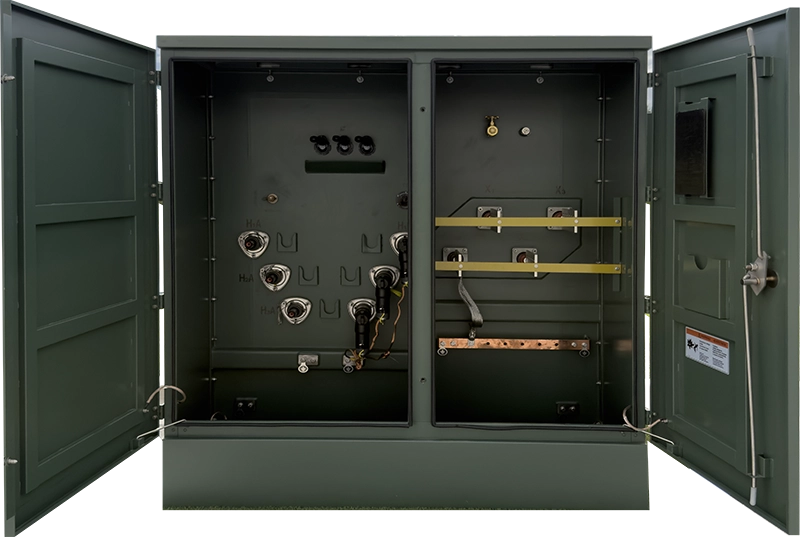
Modern industrial facilities and large commercial complexes demand reliable, high-performance power conversion solutions that can keep energy costs low while meeting stringent regulatory standards. Three-phase pad mount transformers have emerged as a pivotal technology for achieving these goals. By integrating advanced core materials, optimized winding configurations, and intelligent cooling systems, these transformers enhance overall energy efficiency, reduce losses, and extend equipment lifespan. The following sections explore the technical advantages, operational benefits, and practical considerations that make three-phase pad mounted transformers a smart choice for energy-conscious installations.
Key Design Features That Drive Efficiency
Optimized Core Construction
- High-grade silicon steel or amorphous metal cores minimize hysteresis and eddy-current losses.
- Precision-cut laminations provide tighter magnetic flux paths, reducing stray flux and associated heat.
- Compact, low-profile designs lower the magnetic reluctance, improving voltage regulation under load.
Advanced Winding Techniques
- Low-resistance copper conductors with optimized strand count reduce I??R losses.
- Interleaved winding layouts balance the magnetic field, decreasing circulating currents.
- Use of insulated, heat-resistant enamel coatings extends winding life and maintains performance in harsh environments.
Intelligent Cooling Systems
- Natural convection combined with strategically placed ventilation slots eliminates the need for energy-intensive fans.
- Oil-filled or dry-type cooling options are selected based on ambient temperature and load profile, ensuring consistent thermal management.
- Temperature sensors integrated into the transformer housing enable real-time monitoring and proactive maintenance.
How Efficiency Translates to Cost Savings
- Reduced Power Losses: Lower core and copper losses directly decrease the amount of electricity that is wasted as heat, translating into measurable utility bill reductions.
- Extended Equipment Life: Efficient thermal management minimizes overheating, which is a primary cause of premature insulation failure.
- Lower Maintenance Expenses: Fewer overheating incidents mean less frequent inspections, cleaning, and part replacements.
- Improved Power Factor: Better voltage regulation supports a higher power factor, reducing demand charges on commercial electricity tariffs.
Applications Where Three-Phase Pad Mounted Transformers Shine
- Industrial manufacturing plants with high-current motor loads.
- Data centers requiring stable, high-capacity power distribution.
- Commercial office towers where space constraints favor compact, floor-mounted solutions.
- Renewable energy sites (solar farms, wind turbines) that need reliable step-down conversion for grid interconnection.
Choosing the Right Transformer for Your Project
When specifying a transformer, consider the following criteria to ensure optimal efficiency:
- Load Profile: Analyze peak and average demand to select a unit with appropriate kVA rating.
- Ambient Conditions: Evaluate temperature, humidity, and exposure to contaminants; dry-type units excel in clean, indoor environments, while oil-filled designs are better suited for outdoor or high-temperature locations.
- Regulatory Compliance: Verify that the transformer meets IEC, ANSI, and local standards for safety, emissions, and noise.
- Future Expansion: Choose a model with modular components that can be upgraded as load requirements evolve.
Integrating Three-Phase Pad Mount Transformers Into Existing Systems
Retrofitting an existing power distribution network with a 3 phase pad mounted transformer involves careful planning to avoid downtime. Key steps include:
- Conduct a thorough load analysis to confirm the new transformer’s capacity aligns with current and projected demand.
- Coordinate with utility providers to ensure proper grounding, protection relays, and compliance with interconnection agreements.
- Schedule installation during low-load periods to minimize impact on operations.
- Implement a commissioning checklist that verifies voltage ratios, insulation resistance, and temperature rise under load.
Environmental Benefits
- Reduced Carbon Footprint: Lower energy losses mean less electricity must be generated, decreasing overall greenhouse-gas emissions.
- Smaller Physical Footprint: Compact pad-mounted designs free up valuable real estate for other critical infrastructure.
- Recyclable Materials: Modern transformers are built with high-purity copper and steel, both of which are highly recyclable at end-of-life.
Real-World Performance Indicators
Case studies across multiple sectors consistently demonstrate efficiency gains of 3-7″?% when upgrading to a three phase pad mounted transformer. These improvements are reflected in:
- Annual energy savings ranging from 150″?MWh to 1,200″?MWh depending on facility size.
- Reduced heat rejection, leading to lower HVAC loads in adjacent equipment rooms.
- Extended transformer service intervals, often exceeding the typical 5-year maintenance cycle.
Conclusion
Investing in a high-efficiency three-phase pad mount transformer is a strategic decision that delivers tangible economic and environmental returns. By leveraging advanced core materials, refined winding configurations, and passive cooling strategies, these transformers minimize losses, enhance power quality, and support sustainable operations. Whether upgrading an existing plant or designing a new facility, selecting the appropriate three phase distribution transformer can play a decisive role in achieving long-term energy efficiency goals.