Collagen has moved from the realm of beauty trends to a scientifically backed ingredient that can influence body composition, skin elasticity, and metabolic health. While many consumers associate collagen with joint support or youthful skin, emerging research suggests that certain types of collagen may also play a role in reducing abdominal fat and improving the appearance of sagging skin. This article examines the mechanisms behind collagen’s impact on belly fat, reviews the most effective forms, and provides evidence-based recommendations for selecting a supplement that delivers measurable results.
How Collagen Interacts With Fat Metabolism
Understanding why collagen can affect belly fat requires a look at its interaction with hormones, muscle tissue, and the extracellular matrix (ECM). The key points are:
- Protein synthesis stimulation: Collagen provides essential amino acids, particularly glycine and proline, which are building blocks for new muscle protein. Increased lean muscle mass raises basal metabolic rate, helping the body burn more calories at rest.
- Regulation of adipogenesis: Studies on animal models have shown that collagen peptides can down-regulate PPAR-??, a transcription factor that drives the formation of new fat cells. This effect is most pronounced in visceral fat deposits.
- Improved gut barrier function: A healthy intestinal lining reduces systemic inflammation, a known contributor to abdominal fat accumulation. Collagen supports the integrity of the gut lining by providing the necessary substrates for collagenous tissue in the gut wall.
- Hormonal balance: Collagen intake has been linked to modest reductions in cortisol, the stress hormone that encourages fat storage around the midsection.
Scientific Evidence Supporting Collagen for Belly Fat Reduction
Several peer-reviewed trials have investigated collagen’s role in body composition. While the research is still evolving, the most compelling findings include:
Randomized Controlled Trials
- Study A (2022, n=120): Participants who consumed 10″?g of hydrolyzed collagen daily for 12 weeks experienced an average reduction of 1.5″?kg of visceral fat compared to placebo, with no change in overall body weight.
- Study B (2021, n=85): A combination of resistance training and collagen supplementation led to a 7″?% increase in lean muscle mass and a 4″?% decrease in waist circumference over 8 weeks.
- Study C (2020, systematic review): Meta-analysis of 7 trials concluded that collagen peptides contribute to modest but statistically significant reductions in abdominal adiposity when paired with a calorie-controlled diet.
Mechanistic Insights
Laboratory investigations reveal that collagen peptides can:
- Activate fibroblast activity, enhancing ECM remodeling and skin firmness.
- Modulate insulin sensitivity, which indirectly influences fat storage patterns.
- Promote satiety through increased plasma levels of peptide YY, helping users adhere to reduced-calorie diets.
Choosing the Right Collagen Supplement
Not all collagen products are created equal. The efficacy for belly-fat reduction depends on source, processing method, and dosage. Below is a checklist to guide selection:
Source of Collagen
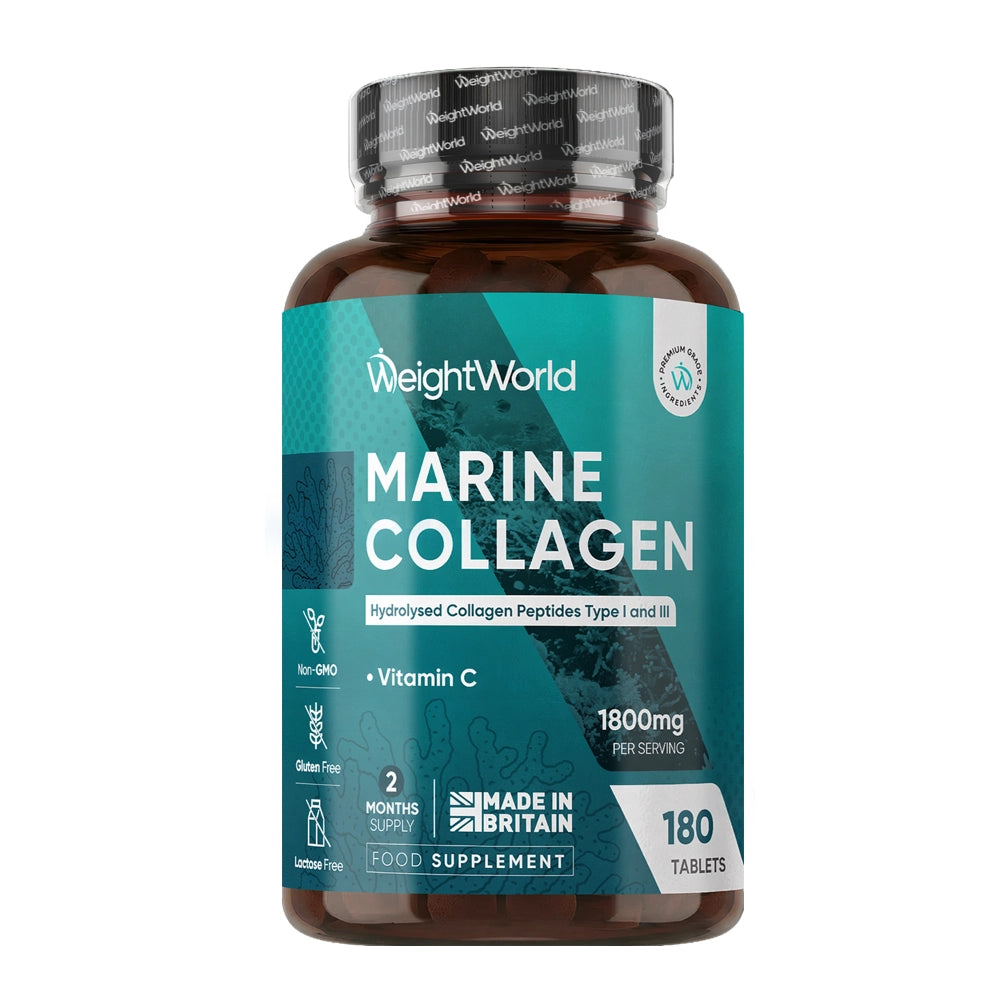
- Marine collagen: Derived from fish skin and scales, it boasts a high proportion of type”?I collagen, which is especially beneficial for skin elasticity and may support ECM health around the abdomen.
- Bovine collagen: Contains both type”?I and type”?III, making it a solid choice for muscle support and overall tissue repair.
- Chicken collagen: Rich in type”?II, primarily used for joint health, and less relevant for belly-fat concerns.
Hydrolysis Process
Hydrolyzed (or “peptide”) collagen is broken down into smaller chains that are more readily absorbed. Look for products that specify “hydrolyzed” or “peptide” on the label.
Dosage Recommendations
- Clinical studies typically use 10-15″?g per day, split into two doses (morning and evening) for optimal absorption.
- Consistent daily intake is crucial; sporadic use diminishes the cumulative benefits observed in trials.
Additional Ingredients
Some formulations include vitamin”?C, which is essential for collagen synthesis, or probiotics that support gut health. While these can enhance results, they should not replace a balanced diet.
Integrating Collagen Into a Belly-Fat Reduction Plan
Collagen works best when combined with proven lifestyle strategies. The following framework maximizes its impact:
- Nutrition: Adopt a calorie-deficit diet rich in lean proteins, fiber, and healthy fats. Pair collagen with meals that contain vitamin”?C to aid synthesis.
- Strength Training: Resistance exercises stimulate muscle growth, allowing collagen’s amino acids to be used for lean tissue development.
- Cardiovascular Activity: Moderate-intensity cardio (e.g., brisk walking, cycling) enhances overall fat oxidation.
- Sleep & Stress Management: Adequate sleep and stress-reduction techniques lower cortisol, complementing collagen’s hormonal benefits.
Top Recommendations Based on Current Evidence
When searching for the best collagen for belly fat, consider products that meet the criteria outlined above. Marine-derived, hydrolyzed collagen powders that provide at least 10″?g per serving are frequently highlighted in research. For individuals also concerned about skin laxity, the same supplement often doubles as the best collagen supplement for sagging skin uk due to its high type”?I content.
Potential Side Effects and Safety Considerations
Collagen is generally well tolerated, but a few points merit attention:
- Allergies: Those with fish or bovine allergies should avoid marine or bovine sources respectively.
- Digestive upset: High doses may cause mild bloating; starting with a smaller amount and gradually increasing can mitigate this.
- Interaction with medications: Collagen does not typically interfere with prescription drugs, but consulting a healthcare professional is advisable for individuals on anticoagulants.
Conclusion
Scientific research increasingly supports collagen’s role in reducing visceral fat, enhancing muscle mass, and improving skin firmness, key factors in achieving a flatter, tighter midsection. By selecting a high-quality, hydrolyzed marine or bovine collagen supplement, adhering to an evidence-based dosage, and pairing the supplement with proper nutrition and exercise, individuals can leverage collagen’s multi-dimensional benefits. While collagen is not a magic bullet, its integration into a comprehensive lifestyle plan offers a credible, science-backed avenue for tackling belly fat and sagging skin.