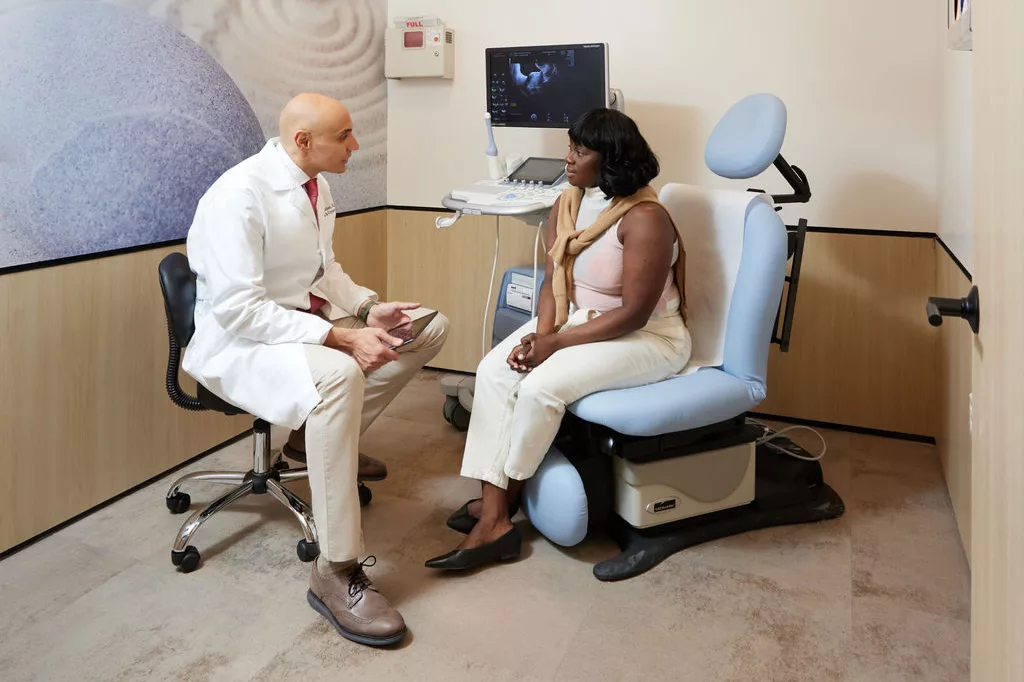
Fertility evaluation is a crucial step for individuals and couples planning to have a child but facing challenges in conceiving. Understanding the various tests and procedures involved can provide valuable insights into reproductive health. Comprehensive fertility evaluation involves a series of tests and assessments to diagnose potential issues that might affect fertility. This article aims to elucidate the various tests available, their purpose, and how they contribute to a holistic understanding of fertility health.
Initial Assessment and Consultation
Before delving into specific tests, a thorough initial consultation is essential. This typically involves:
- Review of medical history
- Discussion of lifestyle factors
- Physical examination
- Basic fertility education
During this phase, healthcare professionals gather critical information to tailor subsequent fertility tests. Explore advanced guides and tips on how lifestyle choices can impact fertility.
Ovulation and Hormonal Tests
Hormonal evaluations are pivotal in assessing reproductive function. These tests typically include:
- Follicle Stimulating Hormone (FSH): Assesses ovarian reserve and function.
- Luteinizing Hormone (LH): Indicates ovulation timing and function.
- Thyroid Function Tests: Evaluate thyroid levels that can affect fertility.
- Prolactin Levels: High levels can disrupt ovulation.
Learn about tailored solutions to hormonal imbalances and their impact on fertility.
Imaging Tests
Imaging tests are non-invasive procedures that provide a visual assessment of reproductive organs. These include:
Ultrasound
Utilized to examine the uterus and ovaries, identifying abnormalities such as polyps, fibroids, or cysts.
Hysterosalpingography (HSG)
This X-ray procedure checks for blockages in the fallopian tubes, a common cause of infertility.
Discover expert strategies here to address conditions identified through imaging tests.
Semen Analysis
For male partners, semen analysis is a fundamental test that evaluates:
- Sperm count
- Sperm motility
- Sperm morphology
These parameters are critical in diagnosing male-factor infertility. Find out more about this approach to comprehensive fertility evaluation for men.
Genetic Testing
Genetic screening identifies chromosomal abnormalities that might affect fertility. This includes:
- Carrier screening for genetic disorders
- Pre-implantation genetic diagnosis (PGD) for embryos
Genetic tests can provide peace of mind and help in planning future steps. Learn about tailored solutions for genetic factors affecting fertility.
Conclusion
Comprehensive fertility evaluation is a multifaceted process that requires diligent assessment and expertise. It involves a series of tests and diagnostics that help identify the root causes of infertility. Understanding these processes can empower individuals and couples to make informed decisions about their reproductive health. For those seeking further information and guidance, explore advanced guides and tips on managing and overcoming fertility challenges.