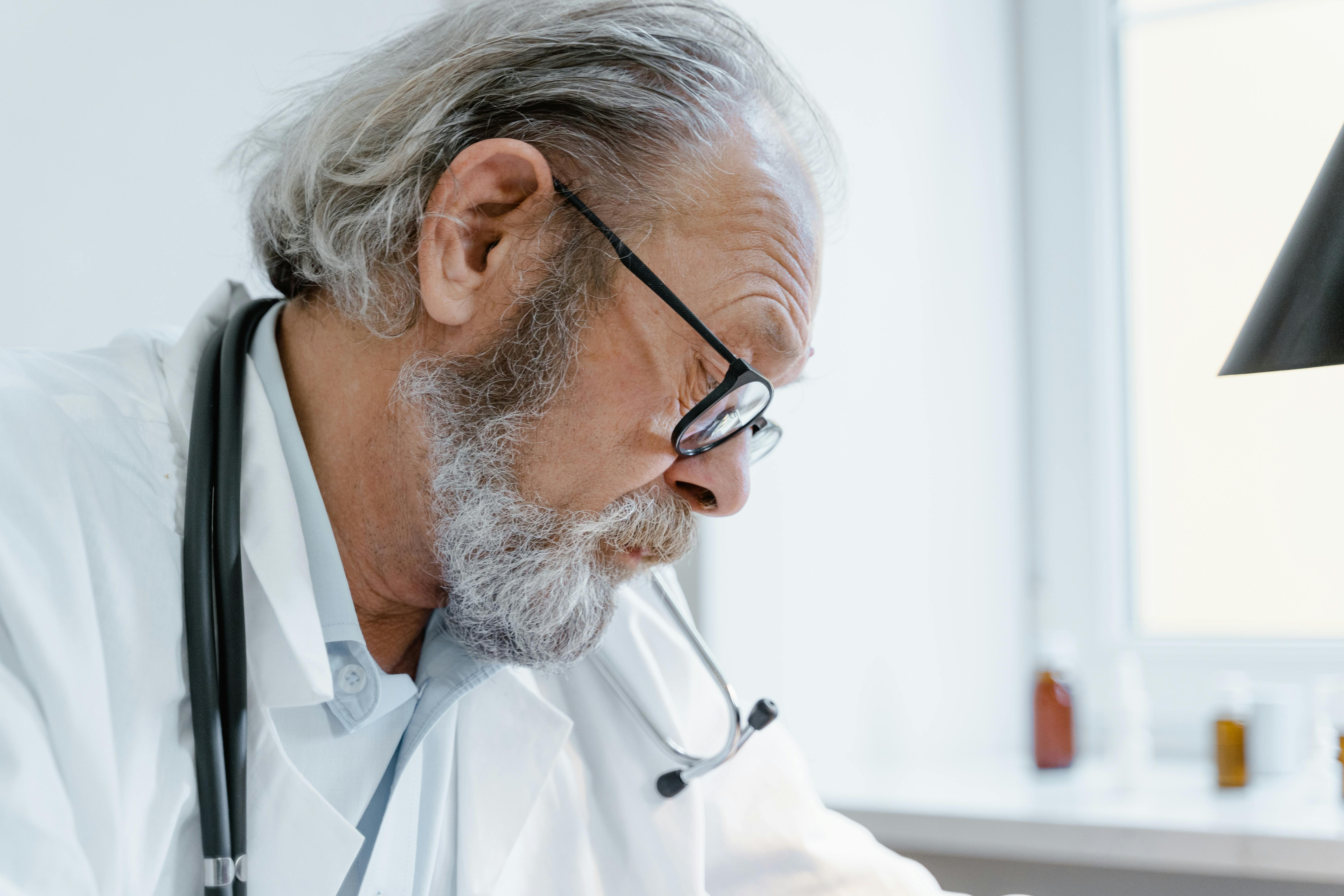
Cancer biology is a dynamic and continuously evolving field that plays a crucial role in understanding the complexities of cancer and developing effective treatments. For medical professionals, delving into this intricate domain is essential for providing top-tier patient care. Training in cancer biology not only enhances their knowledge but also equips them with the skills necessary to tackle various cancer-related challenges. This article explores the key components of cancer biology training for doctors, emphasizing the importance of ongoing education and specialized knowledge in this field.
The Importance of Cancer Biology Training
Incorporating cancer biology into medical training is vital for several reasons:
- Comprehensive Understanding: A deep understanding of cancer biology provides insights into the mechanisms of cancer development and progression.
- Improved Diagnostic Skills: Training enhances the ability to accurately diagnose different types of cancer, leading to more effective treatment plans.
- Advancements in Treatment: Doctors can stay updated on the latest advancements in cancer therapy, including precision medicine and immunotherapy.
- Patient-Centered Care: Knowledge in cancer biology allows doctors to tailor treatment plans to individual patient needs, improving overall outcomes.
For those interested in delving deeper into these aspects and enhancing their expertise, it is advisable to discover expert strategies here.
Core Components of Cancer Biology Training
Genetic and Molecular Foundations
Understanding the genetic and molecular aspects of cancer is a fundamental part of training. This includes:
- Genetic Mutations: Studying the specific genetic changes that drive cancer development.
- Oncogenes and Tumor Suppressors: Learning about the genes involved in cancer growth and inhibition.
- Molecular Pathways: Exploring the signaling pathways that regulate cell growth and division.
Doctors can learn about our tailored solutions to enhance their understanding of these critical areas.
Advanced Therapeutic Strategies
Training programs focus on the latest therapeutic approaches, which include:
- Targeted Therapy: Using drugs designed to target specific molecules involved in cancer growth.
- Immunotherapy: Leveraging the body’s immune system to fight cancer.
- Precision Medicine: Customizing treatment based on individual genetic profiles.
To stay abreast of these innovative treatments, professionals are encouraged to explore advanced guides and tips.
Practical Application and Continuous Learning
The application of cancer biology knowledge in clinical settings is crucial. Doctors must:
- Engage in Clinical Trials: Participating in research to test new treatments and improve existing ones.
- Attend Conferences: Keeping up with the latest research findings and networking with other professionals.
- Join Professional Societies: Being part of organizations that focus on cancer research and treatment.
For more information on how professionals can integrate these practices into their routine, they can find out more about this approach.
Conclusion
Training in cancer biology is indispensable for medical professionals who wish to excel in oncology. It empowers doctors with the knowledge and skills needed to understand cancer at a molecular level, apply advanced therapeutic strategies, and deliver patient-centered care. For those committed to advancing their expertise in this critical area, continuous education and practical application of knowledge are key. By embracing these elements, healthcare providers can significantly enhance their ability to combat cancer effectively.