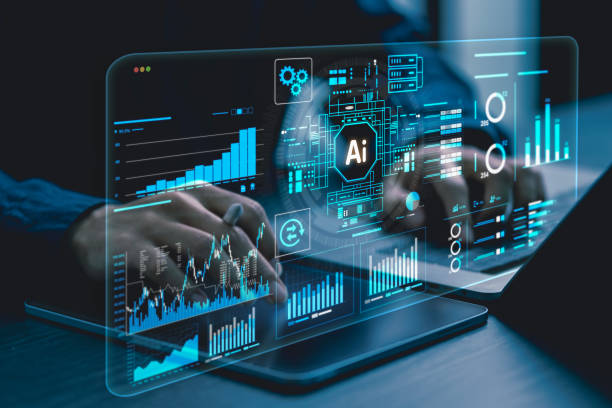
In the modern digital landscape, data integration has become a cornerstone for organizations striving to maintain a competitive edge. As businesses generate and utilize increasing volumes of data, the need for a seamless data integration platform becomes paramount. Such platforms enable organizations to efficiently connect disparate data sources, ensuring that data flows smoothly and is readily accessible for analysis and decision-making. The ability to integrate data seamlessly not only enhances operational efficiency but also empowers businesses to extract actionable insights, fostering informed decision-making and strategic growth.
The Importance of Seamless Data Integration
Seamless data integration is critical for organizations looking to enhance their data-driven decision-making processes. The integration of diverse data sources can provide a holistic view of operations, helping to identify trends, improve customer experiences, and optimize business processes. This integration eliminates data silos, enabling a unified view of critical information across the organization.
Key Benefits of Seamless Integration
- Improved Data Accuracy: By consolidating data from multiple sources, organizations can enhance data accuracy and consistency.
- Enhanced Operational Efficiency: Streamlined data flow reduces manual data handling, freeing up resources for more strategic tasks.
- Better Decision Making: Integrated data provides comprehensive insights, enabling data-driven decision making.
- Cost Reduction: Automation of data integration processes can lead to significant cost savings over time.
Read more about this topic on this page.
Features of an Effective Data Integration Platform
When selecting a data integration platform, it is essential to consider several key features that ensure seamless integration and optimal performance. These features should align with organizational goals and technological needs.
Core Features to Consider
- Scalability: The platform should accommodate growing data volumes and increasing user demands.
- Real-Time Integration: Real-time data updates ensure that decision-makers have access to the most current information.
- Data Security: Robust security measures are necessary to protect sensitive data during integration.
- Interoperability: The platform should offer support for a wide range of data sources and formats.
- User-Friendly Interface: Ease of use can greatly enhance the efficiency of the integration process.
Learn more in this detailed guide about effective data integration.
Challenges in Data Integration
Despite its benefits, data integration is not without challenges. Organizations often face obstacles in achieving truly seamless integration, which can impede the realization of its full potential.
Common Integration Challenges
- Data Quality Issues: Inconsistent or inaccurate data can lead to flawed analyses and decision-making.
- Complexity of Integration: Diverse data sources and formats can complicate the integration process.
- Resource Constraints: Limited technical expertise or financial resources can hinder integration efforts.
- Data Governance: Ensuring compliance with data regulations and maintaining control over data usage can be challenging.
Explore further insights on overcoming these challenges here.
Best Practices for Successful Data Integration
To harness the full potential of a data integration platform, organizations should adopt best practices that facilitate effective integration and data management.
- Define Clear Objectives: Establishing clear goals for data integration helps guide the process and measure success.
- Invest in Training: Providing adequate training to staff ensures that they can effectively utilize the integration platform.
- Monitor and Optimize: Continuous monitoring and optimization of integration processes can enhance efficiency and performance.
- Foster Collaboration: Encouraging collaboration across departments can streamline integration efforts and improve outcomes.
Find additional information on data integration best practices here.
In conclusion, seamless integration with a data integration platform is an essential component of modern business strategy. By carefully selecting a platform that meets organizational needs and adopting best practices, organizations can overcome integration challenges and unlock valuable insights from their data. Staying informed about the latest developments and continuously optimizing integration processes will ensure that businesses remain agile and competitive in a data-driven world.