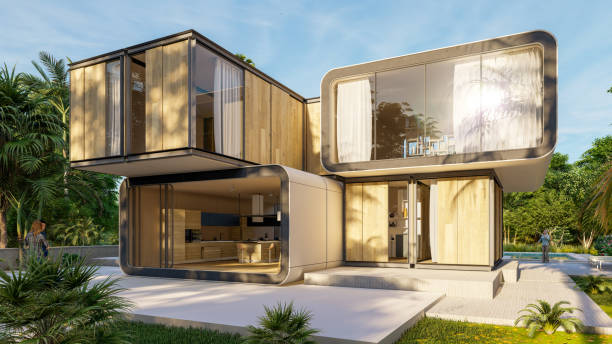
The future of home construction is being transformed by innovative technologies and design philosophies. Among these, contemporary modular house designs stand out as a revolutionary approach, offering efficiency, customizability, and sustainability. This method of construction is gaining traction not only due to its aesthetic appeal but also because of its alignment with modern living needs. As urbanization continues to rise, the demand for homes that can be quickly assembled without compromising on quality or style is more pertinent than ever.
Understanding Modular Homes
Modular homes are constructed using prefabricated sections, known as modules, which are manufactured in a factory setting. These modules are then transported to the construction site where they are assembled. This method ensures a controlled environment for production, leading to higher quality standards and reduced building time.
Benefits of Modular Construction
- Efficiency: Building modules in a factory eliminates weather-related delays, allowing for faster completion times compared to traditional construction methods.
- Cost-Effectiveness: With streamlined processes and reduced waste, modular homes can often be more affordable.
- Customization: Despite being prefabricated, modular homes offer a high level of customization, allowing homeowners to choose designs that fit their preferences and needs.
- Sustainability: The controlled environment of a factory setting leads to less material waste and offers opportunities for integrating sustainable building practices.
The Rise of Contemporary Designs
Contemporary modular house designs are becoming increasingly popular due to their sleek, modern aesthetics and functional layouts. These designs often incorporate large windows, open floor plans, and the latest in home technology”?elements that resonate with modern homeowners. The adaptability of modular construction enables the incorporation of cutting-edge design trends with ease.
With an emphasis on minimalism and functionality, contemporary designs prioritize open spaces and natural light, which are crucial components of modern architecture. To explore more about these designs, consider looking into contemporary modular house designs.
Technology Integration
In the realm of modular home construction, technology plays a pivotal role in both the design and building processes. Advanced software tools allow for precise architectural plans, ensuring that every module fits perfectly once on-site. Additionally, smart home technology can be seamlessly integrated into these designs, offering homeowners enhanced control over their living environment.
- Smart Home Features: Integration of IoT devices and smart systems for lighting, security, and climate control.
- Energy Efficiency: Use of energy-efficient materials and systems to reduce the carbon footprint of the home.
- Virtual Reality: VR technology enables homeowners to visualize their modular home before it is even constructed.
Challenges and Considerations
While the benefits are numerous, there are challenges that come with modular construction. Transportation of modules can be complex, and not all areas have zoning regulations that are favorable to modular homes. Prospective homeowners should ensure local regulations support modular construction and consider potential logistical challenges.
However, with the increasing demand for efficient construction solutions, many regions are updating their regulations to accommodate contemporary modular house designs. As the industry evolves, these homes are expected to become a more viable option for a broader audience.
The Future Outlook
As we look to the future, modular construction is poised to play a significant role in the housing market. The combination of efficiency, sustainability, and design flexibility makes it an attractive option for both developers and homeowners. With continuous advancements in technology and materials, the possibilities for contemporary modular house designs are expansive.
In summary, as the construction industry evolves, modular homes represent not only a trend but a substantial shift in how homes are built. The integration of modern design, advanced technology, and sustainable practices ensures that modular homes will continue to shape the landscape of future living.