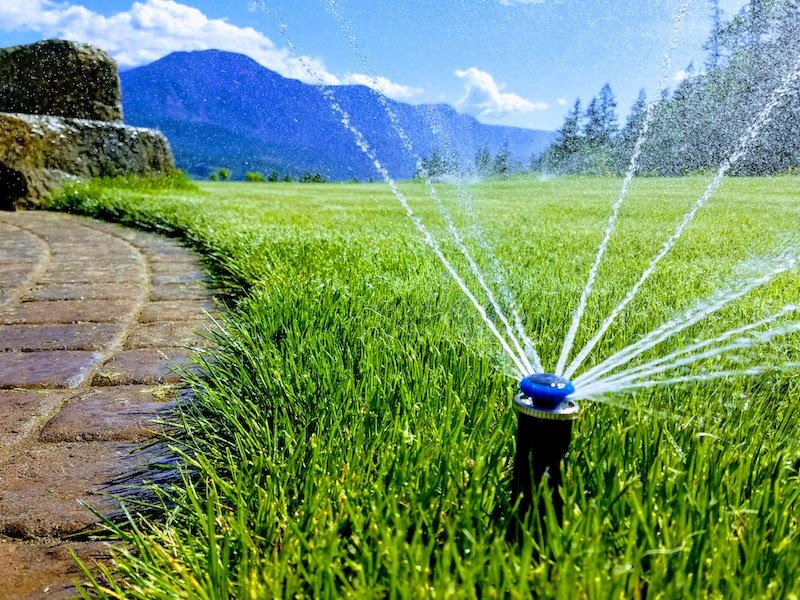
Installing an efficient irrigation system is crucial for maintaining a lush and vibrant landscape, whether it be for residential gardens or expansive commercial properties. While the process might seem straightforward, several key factors must be considered to ensure optimal performance and water conservation. This article delves into essential tips for a successful irrigation system installation, catering to different landscape needs and climates. For those seeking professional insights, discover expert strategies here.
Planning and Design
The first step in installing an efficient irrigation system is meticulous planning and design. This phase lays the foundation for the entire project and involves several critical components:
- Assessing the landscape layout and identifying zones that require varied irrigation needs.
- Calculating water pressure and flow rates to ensure the system can efficiently cover all areas.
- Designing a layout that minimizes water wastage and maximizes coverage.
For a deeper understanding of tailored irrigation solutions, learn about our tailored solutions.
Choosing the Right Components
Sprinkler Heads and Nozzles
Selecting the appropriate sprinkler heads and nozzles is crucial for achieving uniform water distribution. Consider the following:
- Rotary heads for large areas and adjustable nozzles for smaller, irregular spaces.
- Pressure-regulating heads to maintain consistent performance.
Controllers and Sensors
Advanced controllers and sensors can significantly enhance the efficiency of your irrigation system:
- Smart controllers that adjust watering schedules based on weather conditions and soil moisture levels.
- Rain and freeze sensors to prevent unnecessary watering.
For more on advanced guides and tips, explore advanced guides and tips.
Installation Best Practices
Proper installation practices are fundamental to the longevity and effectiveness of an irrigation system. Key practices include:
- Ensuring trenches are dug to the correct depth to protect pipes from damage.
- Using quality materials and connectors to prevent leaks and ensure durability.
- Testing the system thoroughly post-installation to identify and rectify any issues.
Maintenance and Upkeep
Regular maintenance of the irrigation system is essential to keep it running efficiently. Consider the following maintenance tips:
- Regularly checking for leaks and blockages in pipes and sprinkler heads.
- Seasonal adjustments of the system to match climate changes and plant growth cycles.
To find out more about this approach, find out more about this approach.
Conclusion
Efficient irrigation system installation requires a combination of thoughtful planning, appropriate component selection, and diligent maintenance. By adhering to these top tips, landscapes can thrive with minimal water wastage and maximal efficiency. For those interested in further enhancing their irrigation practices, professional insights and comprehensive guides are readily available.