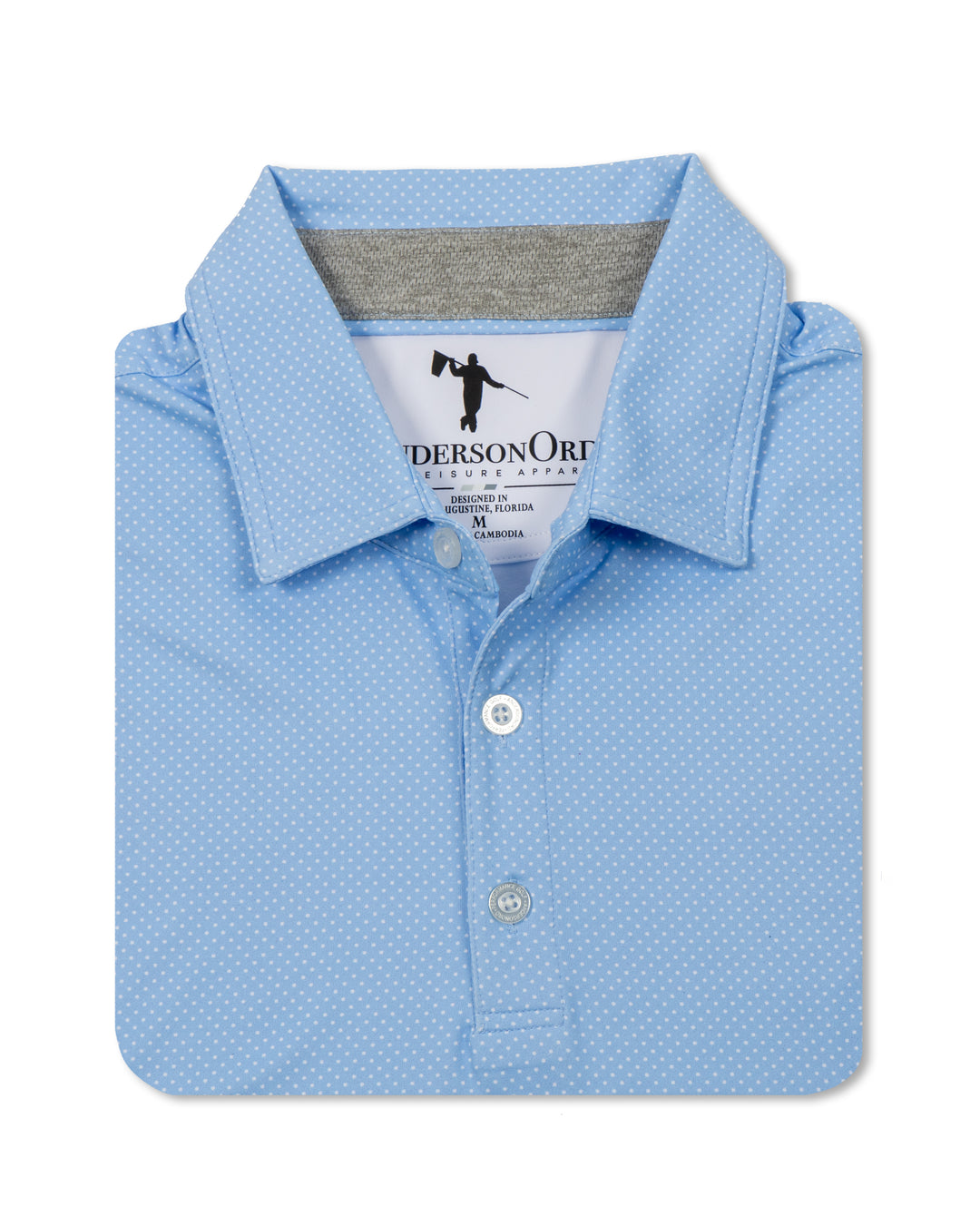
Achieving optimal performance in any physical activity relies heavily on the gear worn during training and competition. High performance apparel is engineered to support the body’s natural movements, regulate temperature, and reduce fatigue, allowing athletes and active individuals to focus solely on their goals. By understanding the science behind these garments, selecting the right features, and caring for them properly, it is possible to maximize comfort, efficiency, and overall results.
What Defines High Performance Apparel?
High performance apparel differs from everyday clothing through a combination of advanced textiles, ergonomic design, and functional finishes. These garments are built to respond to the demands of intense activity while maintaining durability and style.
Core Characteristics
- Moisture-wicking technology: Pulls sweat away from the skin to keep the wearer dry.
- Breathability: Engineered mesh panels or micro-perforations promote airflow.
- Compression zones: Provide muscle support and improve circulation.
- Temperature regulation: Fabrics that adapt to heat and cold, often using phase-change materials.
- Lightweight construction: Reduces bulk without sacrificing protection.
For a deeper dive into the science behind these fabrics, Read more about this topic.
Key Features to Prioritize When Selecting Apparel
Choosing the right garment involves matching its attributes to the specific activity and personal preferences. Below are the most impactful features to evaluate.
Fit and Mobility
- Ergonomic seams that follow natural body lines.
- Stretch panels that allow unrestricted movement.
- Flatlock stitching to minimize chafing.
Material Composition
- Polyester-spandex blends for elasticity and durability.
- Merino wool blends for natural odor control and thermal regulation.
- Recycled fibers for environmental sustainability.
Functional Add-Ons
- UV-protective coatings for outdoor activities.
- Anti-microbial treatments that inhibit bacterial growth.
- Integrated pockets designed for secure storage of small essentials.
To explore specific fabric technologies in more detail, Learn more in this detailed guide.
Benefits for Athletes and Active Lifestyles
When the right apparel is paired with training, the physiological advantages become evident. The following benefits are consistently reported across a range of sports and fitness disciplines.
- Improved thermoregulation: Helps maintain optimal core temperature, reducing the risk of overheating or excessive cooling.
- Enhanced muscle efficiency: Compression elements can lower vibration, decreasing perceived exertion.
- Faster recovery: Moisture management and antimicrobial properties reduce post-workout discomfort.
- Reduced injury risk: Strategic support zones lessen strain on joints and soft tissue.
- Psychological edge: Wearing gear that feels purposeful can boost confidence and focus.
For additional performance-related insights, Explore further insights here.
Choosing the Right Materials for Specific Activities
Not all high performance apparel is created equal; the activity dictates the ideal material blend. Below is a quick reference guide.
| Activity | Recommended Material | Key Reason |
|---|---|---|
| Running & Trail | Polyester-spandex with mesh panels | Maximum breathability and stretch for long strides. |
| Cold-Weather Training | Merino wool blend | Natural insulation and odor control. |
| High-Intensity Interval Training (HIIT) | Polypropylene-based moisture-wickers | Rapid sweat transport keeps skin dry. |
| Outdoor Cycling | UV-protected polyester with compression zones | Sun protection and muscle support during long rides. |
If you would like to see examples of how these materials are applied in real-world designs, Find additional information here.
Care and Maintenance to Extend Garment Longevity
High performance apparel often requires specific care routines to preserve its technical properties. Follow these guidelines to ensure the garments remain effective over time.
Washing Guidelines
- Use cold or lukewarm water; avoid hot cycles that can degrade elastic fibers.
- Select a gentle, fragrance-free detergent to prevent residue buildup.
- Turn garments inside out to protect surface finishes.
Drying and Storage
- Air-dry whenever possible; high heat from dryers can weaken compression zones.
- Store in a cool, dry place away from direct sunlight to prevent UV fading.
- Avoid hanging heavy items on delicate straps to preserve seam integrity.
For a comprehensive maintenance checklist, Read more about this topic.
Conclusion
Investing in high performance apparel is more than a fashion choice, it is a strategic decision that directly influences comfort, efficiency, and overall athletic outcomes. By recognizing the essential features, aligning material selection with activity demands, and adhering to proper care protocols, individuals can consistently operate at their highest level. The integration of advanced textiles and thoughtful design continues to push the boundaries of what the human body can achieve, making the right apparel an indispensable component of any performance-focused routine.