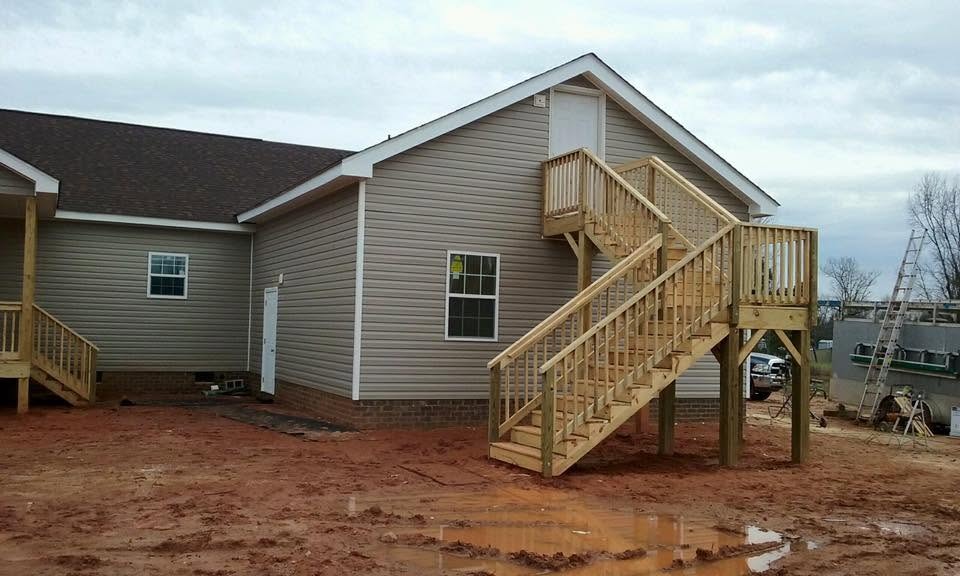
When outdoor living spaces become an extension of the home, a well-designed deck can add both functionality and aesthetic appeal. Selecting a skilled custom deck builder ensures that the final structure meets safety standards, aligns with design aspirations, and stands the test of time. This guide outlines the key considerations, processes, and best practices that help homeowners make informed decisions throughout the deck-building journey.
Understanding the Planning Phase
Effective planning lays the groundwork for a successful deck project. It involves evaluating the site, defining the intended use, and establishing a realistic budget. By addressing these elements early, the likelihood of costly revisions later on is reduced.
Site Assessment
- Identify load-bearing capacity of the soil and any required footings.
- Check for utilities, drainage patterns, and local code setbacks.
- Consider sun exposure, wind direction, and privacy needs.
Purpose and Layout
- Determine primary activities: dining, lounging, hot-tub placement, or outdoor kitchen.
- Sketch preliminary dimensions and flow patterns to ensure comfortable movement.
- Incorporate features such as built-in seating, railings, or lighting early in the design.
For a deeper dive into the planning essentials, Read more about this topic.
Choosing Materials That Match Style and Durability
Material selection influences not only the visual character of a deck but also its maintenance requirements and lifespan. Modern options range from traditional hardwoods to engineered composites.
Traditional Wood
- Offers a natural, warm appearance.
- Requires periodic sealing, staining, or painting to protect against moisture.
- Common species include cedar, redwood, and pressure-treated pine.
Composite and Synthetic Decking
- Made from a blend of wood fibers and recycled plastics.
- Low-maintenance; typically requires only occasional cleaning.
- Available in a variety of colors and textures that mimic natural wood.
Emerging Sustainable Choices
- Recycled aluminum decks provide a sleek, modern look and are fully recyclable.
- Eco-friendly composite blends use reclaimed materials, reducing environmental impact.
To explore the full range of decking options, Explore further insights here.
Key Design Elements for Safety and Comfort
A deck must satisfy both aesthetic aspirations and safety standards. Proper integration of design elements ensures a secure, comfortable environment for all users.
- Railing Systems: Height, baluster spacing, and material must comply with local building codes.
- Stair Geometry: Tread depth and riser height should provide a steady, slip-resistant climb.
- Lighting: Ambient, task, and safety lighting improve usability after dark.
- Drainage: Slight slope away from the house prevents water pooling and wood rot.
If you need guidance on integrating these safety features, Learn more in this detailed guide.
Evaluating Professional Deck Builders
Hiring a qualified deck builder involves more than a simple price quote. Assessing credentials, communication style, and workmanship quality helps secure a reliable partnership.
Credentials and Licensing
- Verify that the builder holds all required local licenses and insurance.
- Check for certifications from recognized trade organizations.
Portfolio Review
- Examine completed projects that reflect a range of styles and materials.
- Look for consistency in craftsmanship, detailing, and finish quality.
Transparent Estimates
- Request a written estimate that breaks down labor, materials, permits, and contingencies.
- Ensure the estimate includes a timeline and payment schedule.
For a checklist on evaluating contractors, Find additional information here.
Budgeting and Cost Management
Understanding cost drivers enables realistic budgeting and helps avoid unexpected overruns. Typical expenses include materials, labor, permits, and optional upgrades.
- Material Costs: Vary widely between natural wood, high-end composites, and premium aluminum.
- Labor Rates: Depend on regional market conditions and the builder’s expertise.
- Permits: Municipal permits are mandatory in most jurisdictions and may involve inspection fees.
- Optional Features: Integrated lighting, built-in seating, and pergola structures add to the total cost.
A comprehensive cost overview can be found by Read more about this topic.
Maintenance Best Practices
Regular upkeep preserves the deck’s appearance and structural integrity. Maintenance routines differ based on material type.
Wood Decks
- Clean with a mild detergent and a soft brush at least twice a year.
- Apply a protective sealant or stain every 2-3 years, depending on exposure.
- Inspect for loose fasteners, rot, or insect damage during each cleaning cycle.
Composite & Synthetic Decks
- Rinse with a garden hose or low-pressure washer to remove debris.
- Avoid abrasive cleaners that can damage the surface coating.
- Check for fading or surface wear and replace boards as needed.
General Tips
- Keep furniture legs and plant pots on protective pads to prevent scratches.
- Trim surrounding vegetation to improve airflow and reduce moisture buildup.
- Schedule an annual professional inspection to catch structural issues early.
For a maintenance schedule tailored to different decking materials, Learn more in this detailed guide.
Conclusion
Investing in a custom deck crafted by experienced builders can transform an ordinary backyard into a versatile living space that enhances both lifestyle and property value. By thoughtfully assessing site conditions, selecting appropriate materials, integrating safety-focused design elements, and partnering with qualified professionals, homeowners can achieve a deck that meets aesthetic goals while delivering long-term durability. Regular maintenance and informed budgeting further ensure that the deck remains a source of enjoyment for years to come.